Using local laws to restrict fossil fuel advertising (The Hague)
2026
The Hague, a pioneer in the fight against fossil fuel advertising.
From 2020, the city banned advertising for fossil fuels at bus stops and on municipal billboards. In 2024, it extended this ban to the aviation and cruise sectors, despite legal challenges brought by the travel industry.
A historic decision, which is in line with the UN’s call to treat advertising for fossil fuels in the same way as that for tobacco: a powerful tool for denormalising polluting energy sources and accelerating the cultural transition. A model for other European cities.
Case study taken from the report: ‘How cities are tackling fossil fuels’ (see the linked factsheet)
In 2024, the city of The Hague became the first municipality to utilise local law to restrict high carbon advertising.
This landmark decision was not merely a symbolic gesture but a core component of the city’s broader strategic commitment to achieve climate neutrality by 2030.
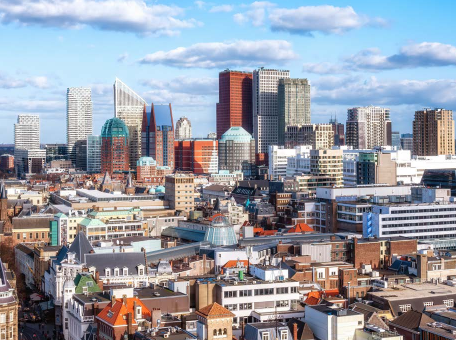
By targeting the promotion of high-carbon products at the local level, The Hague moved to align its public visual landscape with its environmental objectives, responding directly to a 2024 call by UN Secretary-General António Guterres. Guterres had urged governments and media outlets to treat fossil-fuel promotion with the same severity as tobacco advertising, citing its role in delaying climate action.
The Hague was the first city to codify fossil fuel advertising restrictions into municipal law. In 2021, city councillors passed a motion to remove fossil fuel advertisements from transit infrastructure, such as bus and tram shelters. In 2024, a new council enacted a formal local law that expanded these restrictions to include the aviation and cruise industries. Despite a legal challenge from the travel industry, the city successfully defended the ban in court, clearing the way for full enforcement starting in January 2025.
The restriction, currently in full effect, prohibits any advertising that promotes high-emission products across all billboards, bus shelters, and digital screens across the city. The ban is comprehensive, covering not only traditional gasoline and diesel vehicles but also air travel, cruises, and energy contracts derived from coal or gas. By removing these products from the public eye, the city seeks to eliminate the constant commercial reinforcement of carbon-intensive lifestyles. This policy ensures that the city’s public spaces no longer serve as a platform for industries that are fundamentally at odds with the Paris Agreement’s goals.
A 2025 report by Elisa Morgera, the Special Rapporteur on human rights and climate change, highlighted the historical role of fossil-fuel advertising in shaping public perception. She argued that legislative bans, like the one in The Hague, are essential for challenging the « taken-for-granted » status of fossil fuels in modern life. By disrupting these marketing narratives, such laws help address underlying patterns of overconsumption and systemic inequalities that drive the climate crisis. Dutch policy officials have agreed that while it is not yet possible to isolate the ban’s effect on immediate sales, its value lies in delegitimising unsustainable consumption patterns – in line with the intention of this intervention.
Referencias
Extract from the document, page 26 : How cities are taking action on fossil fuels
Para ir más allá
C40 Cities : www.c40.org/