Municipal Energy Passport, Rivne - Ukraine
2025
In Rivne, Ukraine, the war has not dampened climate ambitions. Despite the shadows cast by the crisis, the city is charting a bold course towards carbon neutrality with its Municipal Energy Passport, a digital platform that transforms data into a catalyst for action. Here, every kilowatt-hour counts; every building plays a part in the transition; and resilience is being built through a sense of urgency as well as innovation.
It is a story where technology meets civic engagement, and where energy – once a source of vulnerability – becomes a pillar of reconstruction and hope.
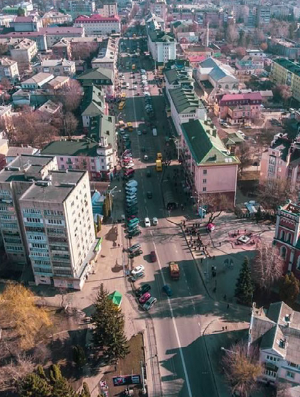
Rivne, a mid-sized city in western Ukraine, is home to 240,000 residents. Despite the ongoing impacts of the Russian invasion, the city is committed to reducing greenhouse gas emissions by 30% by 2030. In 2023, Rivne joined the EU Cities Mission and the NetZeroCities Pilot Cities Programme to implement a Pilot Activity: Creating NetZero Vision for Rivne. A key focus of the Pilot is addressing the lack of quality data and long-term planning for a sustainable future while building institutional capacity.
Municipal Energy Passport
The city of Rivne launched the development of the Municipal Energy Passport (MEP), a digital platform for monitoring, managing, and analysing energy consumption across municipal infrastructure. The solution addresses key structural barriers to decarbonisation: outdated and incomplete energy data, lack of system-wide monitoring, and limited long-term planning capacity. These challenges directly impact Rivne’s ability to plan cost-effective investments and develop energy scenarios aligned with its ambition for climate neutrality.
The MEP aggregates real-time data on electricity, heating, water, and gas use across 188 public buildings, utilising newly installed auxiliary devices on older meters (115 for water and 122 for electricity), while also allowing for manual data entry where necessary. The platform builds on Rivne’s earlier “Energobalans” system, with legacy data integrated and ongoing parallel operation during the transition.
Municipal Energy Passport: a digital platform for integrated energy data management
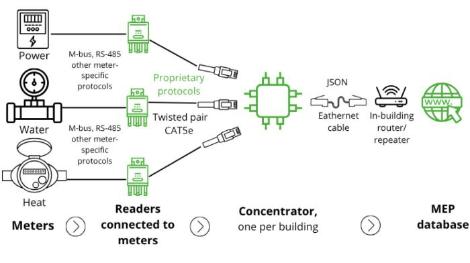
Launched in early 2024, the MEP was co-developed by the city, software developers, utilities, and the National University of Water and Environmental Engineering. Through technical workshops, stakeholder consultations, and cross-departmental meetings, these partners shaped the system’s design, operational guidelines, and integration process. Additionally, a training course on energy efficiency and renewable energy was offered to students, while city experts provided specialised training to managers of multi-apartment and public buildings.
The system is expanding beyond public buildings to cover housing, transport, waste, and industry, offering a broader view of the city’s emissions and decarbonisation potential.
The MEP has produced several immediate impacts:
-
Collected and structured data is now actively used to inform strategy development and attract investment.
-
Emissions targets and cross-sectoral climate objectives increasingly shape city planning, and a new digital infrastructure is taking root.
-
Energy goals have strengthened collaboration between city authorities, experts, and businesses. Through forums like RivneEuroForum and the new Decarbonisation Office, climate neutrality has become a shared priority and a driver of economic transformation.
What were the key drivers of the initiative?
-
Long-term planning framework: The pilot was designed to support Rivne’s 2050 climate neutrality goal, ensuring political and institutional alignment by connecting short-term actions with long-term results.
-
Municipal leadership: The Deputy Mayor’s consistent support ensured coordination across departments and highlighted the initiative’s importance internally. This political backing kept climate planning a priority and sustained momentum among technical and administrative teams.
-
Political alignment: The pilot’s alignment with Ukraine’s climate policy and emissions reduction targets increased its legitimacy and helped mobilise local stakeholders, improving Rivne’s visibility among national and international actors, facilitating future collaboration and funding prospects.
-
Legacy system: Rivne’s earlier “Energobalans” system and experience in energy data management provided technical knowledge, legacy data, and institutional capacity. Support from the local university partner enhanced technical development and integrated training and scenario modelling into the rollout.
-
Energy security urgency: Damage to Ukraine’s energy infrastructure made resilience a priority, creating support for local initiatives in efficiency, decentralisation, and renewables. The MEP became both a climate tool and a response to urgent energy security needs.
-
Climate funding incentives: Structuring the pilot around emissions reduction and data-driven planning positioned the city to attract international climate funding and engage climate-focused donors and partners.
What were the challenges and barriers?
-
Digitalisation gaps in infrastructure: Many of the city’s energy meters were outdated and incapable of transmitting data automatically, requiring a municipal meter replacement programme.
-
Technological availability: Some critical components, like compatible heat and water meters, were not available locally. Off-the-shelf solutions often failed to meet integration requirements. In response, the city co-developed tailored digital and hardware tools in collaboration with local IT and engineering partners.
-
Capacity & knowledge transfer: Initially limited to 2–3 staff members, Rivne’s Energy and Climate Department expanded its capacity through recruitment, training, and mentoring. Staff turnover led to knowledge gaps, highlighting the need for early documentation and cross-departmental collaboration.
-
Data access: Utility providers were hesitant to share building-level energy data due to commercial sensitivities. To ensure data collection, Rivne empowered facility managers to report usage manually and installed supplementary monitoring devices. This workaround reinforced the need for clearer regulatory frameworks around data-sharing.
-
Private sector scepticism: Early doubts from businesses reflected uncertainty around the economic value of climate neutrality. By linking climate goals to investment, resilience, and competitiveness, the city fostered stronger engagement through platforms like RivneEuroForum and the Decarbonisation Office.
-
Wartime limitations: The war in Ukraine severely constrained resources, staffing, and investment flows. This context also reinforced the urgency of resilient, local energy systems, accelerating support for digital solutions like the MEP.
Potential for Replication
The Municipal Energy Passport offers clear potential for replication and upscaling, both within and beyond the city. Under the NetZeroCities Twinning Learning Programme, Konya in Türkiye has already identified the MEP as a replicable practice and plans to pilot it in the newly constructed Konya City Library, aiming to expand the system to other municipal buildings and utilities.
Several preconditions are essential for replication. These include a basic level of technological readiness, strong internal capacity or access to trusted external expertise, and clear political support. Replication also requires leadership willing to challenge traditional practices in energy management and embrace digital innovation.
A key lesson from Rivne’s experience is the importance of a strong planning phase. While the city’s application was ultimately successful, more time dedicated to internal coordination and technical detailing could have reduced implementation challenges. Strengthening internal staff capacity before relying on external experts helps ensure long-term ownership and facilitates replication.
Finally, citizen and stakeholder engagement should be prioritised. While target groups like building managers were involved, broader public engagement was limited. Given the resource constraints and wartime conditions, this is understandable, but it still represents a missed opportunity to foster greater ownership.
Sources
Online document: Municipal Energy Passport, Rivne, Ukraine
To go further
Net Zero Cities : netzerocities.eu/